

Terms And Conditions

Delivery

Returns
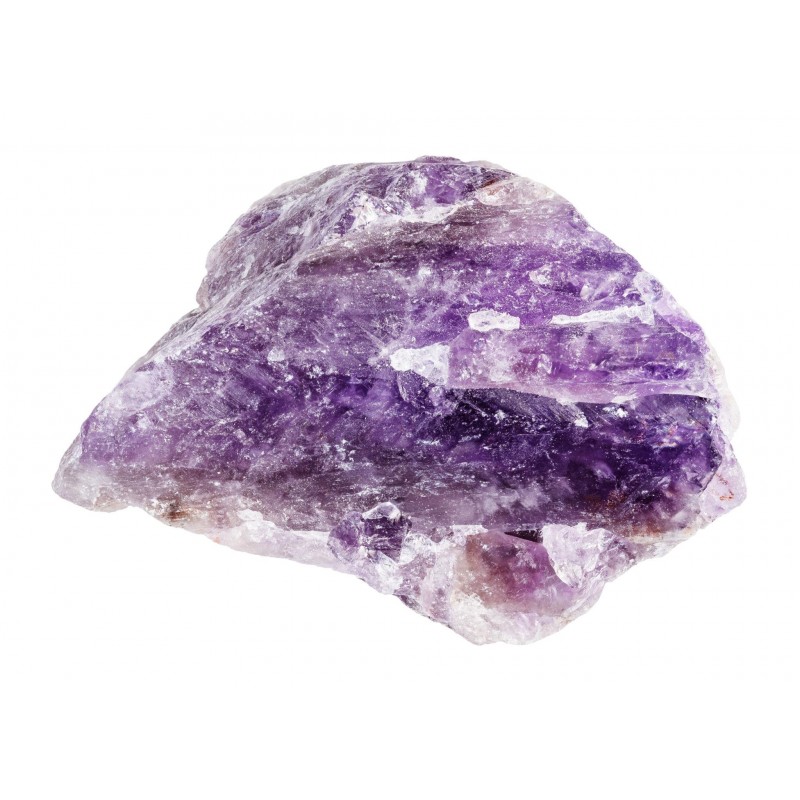
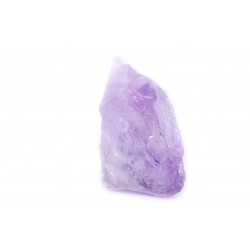
Amethyst is a variety of quartz whose main distinguishing feature is its color. It is not yellow like citrine or raspberry like rose quartz. Depending on the type, it ranges from violet to purple. Its characteristic intense color is due to iron particles contained within the mineral's structure.
The origin of the name "amethyst" is quite surprising. It turns out that this violet-purple stone owes its name to the ancient Greeks, who associated the stone with the god Dionysus. The Greeks believed that this stone possessed magical powers that protected against excessive drinking. The name "amethyst" itself alludes to this.
In ancient Greek, "amethystos" comes from "a-," meaning "not," and "methysko," meaning "to intoxicate," which directly alludes to the power of amethyst to protect its owner from excessive intoxication and morning hangovers. Interestingly, the ancient Greeks were so convinced of the power of amethyst that they even carved wine goblets from this stone.
Amethyst is primarily associated with the colors purple and purple, but in practice, the stone manifests various shades of red and blue. Shades can range from light lavender to dark purple and purple. Raw amethysts often exhibit a non-uniform, zoned color. In this case, the most intense shades occur at the crystal ends.
Amethyst is available in many varieties, shapes, forms, and colors. Amethyst is often found in combination with other types of quartz, which give it a distinctive structure and color.
Purple Amethyst
A classic amethyst with a dark purple color, the value of which increases with the depth of the color. It is a high-quality stone used in jewelry, containing traces of iron and manganese, which give it a distinctive purple hue.
Cape Amethyst
A blend of amethyst and milky quartz, often forming layers known as Chevron amethyst. The finest specimens come from the Cape region of South Africa, and the distinctive V-shaped patterns give it a unique appearance.
Pink Amethyst
A rare amethyst with pink tones, first discovered in Argentina, tinged with hematite, which gives it a pinkish hue. Unlike the traditional purple amethyst, it ranges from soft lilac to deep pink and is prized for its spiritual properties associated with the heart chakra.
Mossy Amethyst
An amethyst with inclusions of black tourmaline, which creates thread-like structures, giving the stone a more reddish hue. Also known as "tourmaline" amethyst, it often contains small specks of tourmaline instead of streaks.
Ametrine
A two-color quartz combining purple amethyst and golden citrine, formed naturally through geological heating or artificially in a laboratory. A gradual color transition indicates natural origin, while a distinct boundary suggests laboratory heating.
Amethyst is a stone to which various properties have been attributed for centuries. According to the Greeks, the stone, with its characteristic wine-like color, was associated with the god of feasting, Bacchus, and used as an amulet to protect against drunkenness. This same custom was later adopted by the ancient Romans, who eagerly crafted wine goblets from amethyst. In ancient China, the stone had the power to dispel negative energy and ward off danger. Because the color purple was perceived as extremely exclusive and difficult to obtain, in the Middle Ages, amethyst was associated with wealth and luxury. Amethyst was used to craft the jewels of kings and nobles. Various cultures attributed significantly more properties to amethyst, both spiritually and physically.
Amethyst for the Spirit
Amethyst is a stone that helps us maintain mental health and protects us from negative energy and ill-wishers from others.
It can act as a protective talisman, acting as a sedative. It allows us to release stress, tension, and irritability, calming the nerves.
It helps maintain sobriety by supporting us in the fight against addictions such as alcohol, drugs, and smoking.
Amethyst positively affects our cognitive abilities, supports concentration, sharpens the senses, and improves motivation, making us more effective in our actions.
Amethyst for the Body – Health Properties
In alternative medicine, amethyst is credited with healing powers and a positive effect on certain bodily ailments and conditions. According to these beliefs, amethyst:
- relieves the symptoms of headaches and migraines,
- supports hormone production and regulates the endocrine system, which has a beneficial effect on the body's metabolism,
- helps with falling asleep and promotes healthy, restful sleep, and is recommended for those suffering from insomnia,
- strengthens the immune system, helping the body fight various diseases and supporting tissue regeneration,
- has analgesic and anti-inflammatory properties, making it effective in treating bruises.
Amethyst is traditionally associated metaphysically with the third eye and crown chakras. It is considered the birthstone of February. Astrologers associate it with zodiac signs such as Virgo, Sagittarius, Capricorn, Aquarius, and Pisces.